
How Engagement Boosts Political Content on Meta
2 min Machine translated About Brazil
I saw that content because I was— because the person was blocked.
So, I can't block, I have to receive the content and scroll past quickly.
Right. Don't look, because then the algorithm— Don't respond. Yes, yes, no, don't even read it. Ah.
Because the, the algorithm tracks even the viewing time.
So, if some content comes to me and I, if I stay there for three seconds looking at the content, Meta will understand that con— e-even if you haven't, haven't, haven't built up a tolerance, given it a like, commented, it'll say, "He read it."
So don't even read it, j-just scroll past quickly.
Then Meta starts to understand: "Look, this content isn't relevant, because people are scrolling past, not reading, not liking it, not, not, not commenting."
Don't pay it any mind. Yes, it has to ignore it.
This is the way. And then, when you do that, the content just goes, goes, circulating among them, no, it doesn't reach the undecided voters.
So, their, their content wasn't reaching those 20 % I mentioned, only ours was reaching them.
And I, seeing that it wasn't possible to reach the people who weren't with us anymore, the opponents of Flávio Bolsonaro's voters started going to our posts to speak badly of Lula.
So, I made a post, uh, spea-speaking well of Lula.
Because they had no other option, th-they had to come to the post that spoke well of Lula to speak badly.
But as I said, the algorithm doesn't, doesn't understand whether you're speaking well or badly, it only understands that you're speaking.
So, if the post, uh, was speaking well of Lula, Meta understood: “This post is relevant” and only delivered content that spoke well of Lula.
Another thing we always say you shouldn't do is: if you see a post on Twitter, on X, about something you don't like, the worst thing you can do is take it and send it to a WhatsApp group
End of transcript · 333 words · machine translated
Vi quel contenido porque yo es-- porque la persona estaba bloqueada.
Entonces, yo no puedo bloquear, yo tengo que recibir el contenido y pasar rápido.
Bien. No mirar, porque ahí el algoritmo- No responder. Sí, sí, no, ni siquiera leer. Ah.
Porque la, la, el algoritmo captura hasta el tiempo de retención.
Entonces, si llega un contenido para mí y yo, si yo me quedo por tres segundos mirando el contenido, Meta va a comprender ese con-- a-aunque usted no, no, no, no tenga curtido, dado el like, comentado, pero va a decir: "Él leyó".
Entonces, ni lea, ape-apenas pase rápido.
Entonces, la Meta comienza a comprender: "Mira, este contenido no tiene relevancia, pues las, las personas están pasando, no están leyendo, no están dando like, no, no, no están comentando".
No hay que darle bola. Sí, tiene que ignorar.
Este es el camino. Y ahí cuando usted hace eso, el contenido solo va a, a, a circulando entre ellos, no, no va hasta los indecisos.
Entonces, el, los contenidos de ellos no llegaban a esos 20 % que yo dije, solo los nuestros llegaban.
Y yo, viendo que no era posible más llegar hasta no-nosotros, los adversarios de los electores de Flávio Bolsonaro empezaron a ir a nuestras publicaciones para hablar mal de Lula.
Entonces, yo puse una publicación, eh, ha-hablando bien de Lula.
Por no tener otra opción, el-ellos tenían que vir en la publicación que hablaba bien de Lula para hablar mal.
Pero como yo dije, el algoritmo no, no comprende si estás hablando bien o mal, comprende apenas que estás hablando.
Entonces, la, si la publicación, eh, era hablando bien de Lula, la Meta entendía: "Esta publicación es relevante" y solo entregaba contenidos que hablaban bien de Lula.
Otra cosa que siempre decimos no hay que hacer es: si ves un posteo en Twitter, en X, de algo que no te gusta, lo peor que puedes hacer es tomarlo y mandarlo a un grupo de WhatsApp
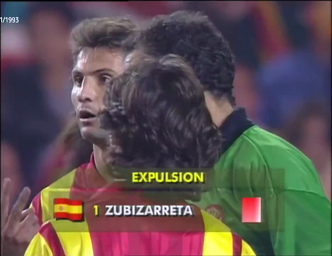 4:48 Spain 1-0 Denmark: Hierro’s Goal Secures 1994 World Cup Qualification
 1:32 The desire to become a mother, forbidden love and gossip
 4:58 Fina decides to stay in Toledo and clashes with Bianca
 1:58 Fresalina’s Final Cleaning Job Before Retirement
 2:00 Dulceida Discusses the 2026 Premios Ídolo in Barcelona
 2:08 A Day with La Matanza Councilwoman Leila Gianni
 4:50 Fina Discusses Abstract Photography and Rejects a Move to Argentina
 2:13 Real Betis vs Real Madrid: Morán and Santillana Goals and Pirri Interview
 2:32 Pedri or Bellingham? Debating Mbappé, Yamal and Football Stars
 3:03 Mexican Fan Recounts Confronting João Neves Over Cristiano Ronaldo
 1:52 Messi's Mother Told Nico He Was Her Son's Successor
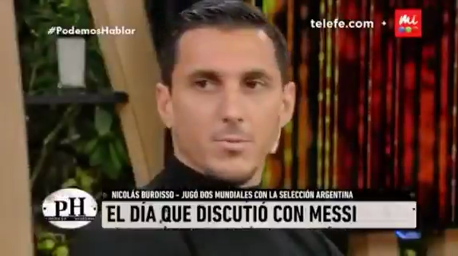 1:54 Nicolás Burdisso Recalls His Argument With Messi on Argentina's National Team
 iPhone app Translate videos on your iPhone Paste a TikTok, Instagram or X link, add subtitles in your language and save the video to Photos.

TranslateMom transcribes and translates videos from X, TikTok, YouTube and Instagram. Paste a link and you get a page like this one, in your language.